
Are You Asking The Right Questions?
23 Questions/Considerations When Buying A Diamond:
Specs:
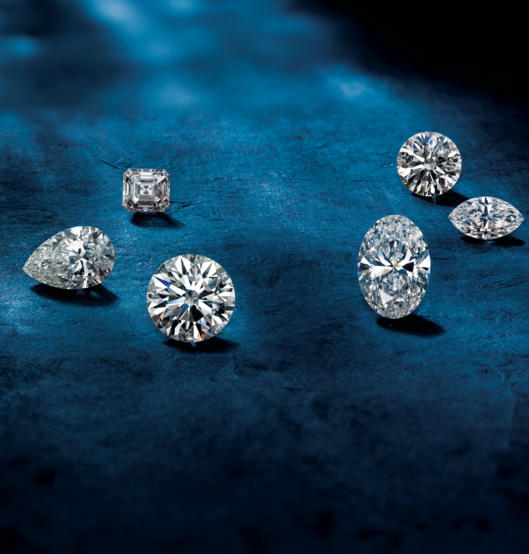
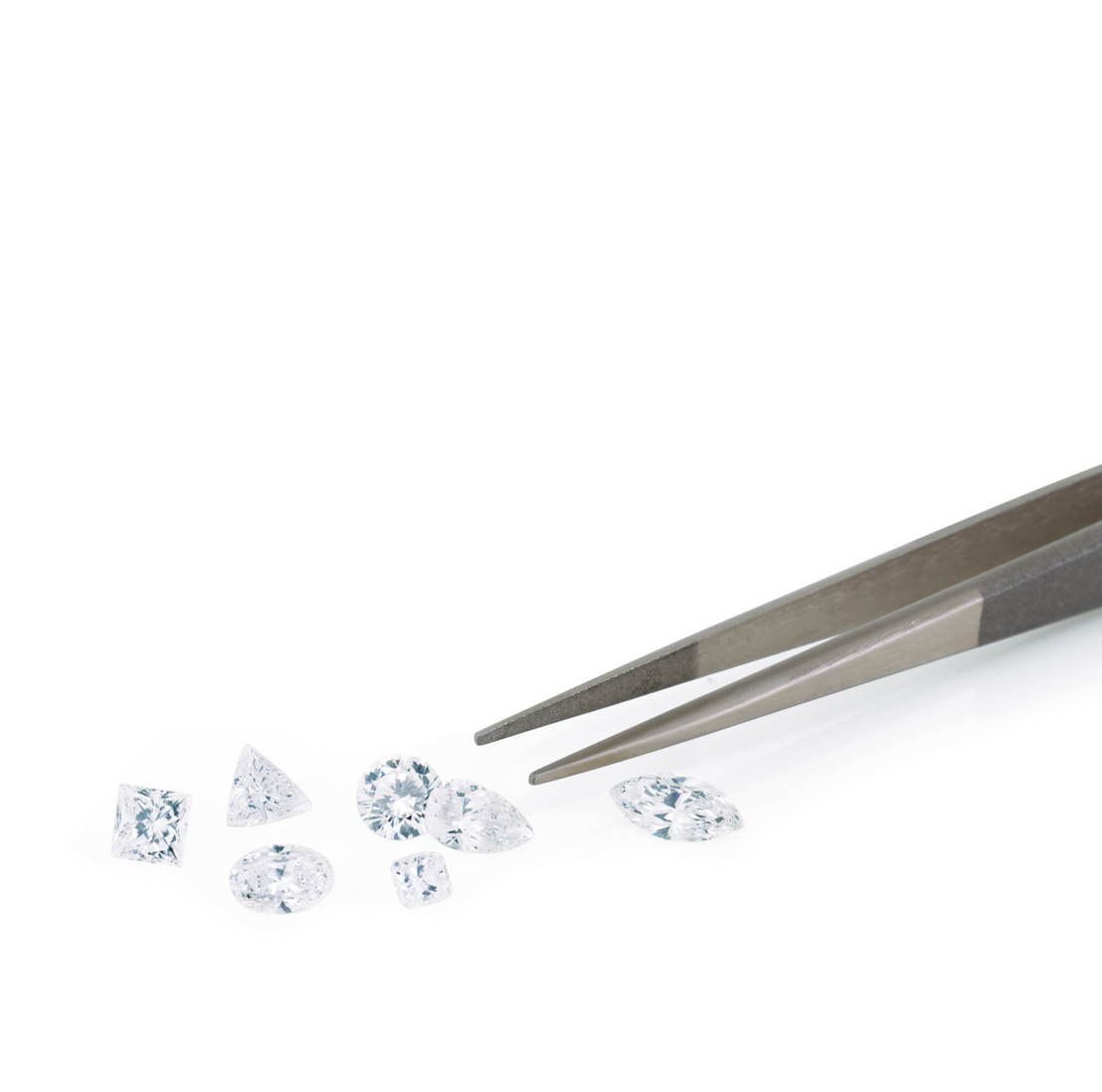
Natural/lab grown, shape, carat weight, color, clarity, cut, other
If lab grown - I suggest E, VVS2, Ideal/Excellent
If natural - I suggest starting with H, VS2, Ideal/Excellent
Desired price range:
Set your price range or limit
Adjust the size and qualitative characteristics to fit your range
Recommended labs for grading reports:
GIA, AGS, GCAL, IGI
These labs are recognized for their quality reports
Preference for quality vs size:
Highest Quality vs largest size vs balance (larger and presents well)
A FL or IF diamond can be damaged when worn
(And that first value drop is substantial)
A VVS2 and a VS1 will look pretty much the same as FL
For larger diamonds, some I1 and SI2 diamonds present well
You have to examine them closely as some are better than others
(Yes, the lab grade is a starting point - you want to pick the best one)
Carat weight - Below benchmark weight for cost savings OK?
In natural diamonds, you may save by buying under a benchmark.
A benchmark weight is 1.00 ct, 2.00 ct, etc - what people look for
A 0.95 ct will look similar to the eye but may cost less per carat
They cost less because more people want a 1.00 ct vs 0.95 ct
In lab grown diamonds, benchmark price advantage is minimal
Carat weight - Just in case:
If purchasing a natural diamond, consider a weight ending in .03+
Diamonds can be chipped and repolished to remove the damage
The little extra weight may prevent the recut from falling below .00
That would drop the diamond into the lower weight category
Which would drop the value (like the benchmark note above)
If natural, are there any treatments?
Natural diamonds can be treated to look better and cost less
Be sure you know if the diamond has been treated
Some require special handling (like fracture filled diamonds)
If lab grown, any there any treatments?
Lab grown diamonds may be treated
Inquire if any special handling is recommended
Online sellers:
Blue Nile, Rare Carat, Brilliant Earth, Brilliance, others
Not a recommendation, just noting that they sell diamonds
Add any others you have an interest in
View their selections of diamonds
We can do this together or you can do it on your own
Compare and pick the “winner”
Brick & Mortar sellers:
Helzberg, Kay, Jared’s, others
Not a recommendation, just noting they sell diamonds
Add any others you want to know about
View their online selection of diamonds
We can do this together or you can do this on your own
Compare and pick the “winner”
Compare the winners:
Compare the online winner with the brick & mortar winner
You will have a very good feel for the quality and the market
This will serve you well when deciding what is a great value
Next compare those winners with the winners from Gary’s cutters
Cherry pick with Gary and ask all your questions
Have you viewed the diamond?
First, look at the diamond without magnification
Do you see any inclusions?
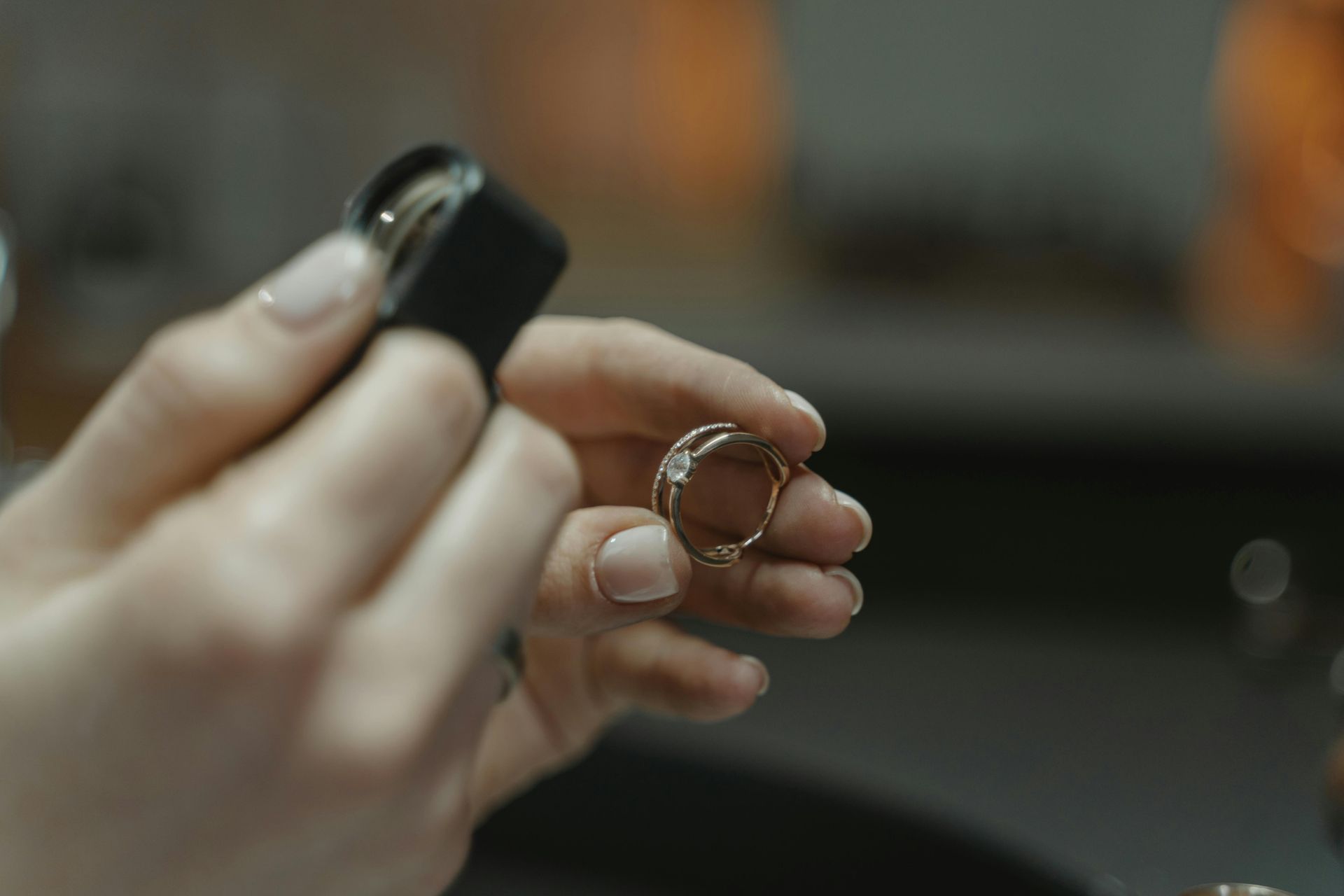
Next look at the diamond under magnification
Now, do you see any inclusions?
When looking with magnification, make sure it is the standard 10x
Look once more at the diamond with your naked eye
Do you se the inclusions you saw under magnification?
If you decide on this diamond, make a mental note of the inclusions
What they look like and how they are positioned to each other
You will always know your diamond when you see it
Are there eye visible inclusions to the naked eye?
If you see inclusions, so will everyone else
Once you see the inclusions, you will always see them
Bottom line, out of pocket cost:
Only pay attention to what the diamond actually sells for
Do not be distracted by “50% Off” or other tactics
To be set in white metal, yellow metal, other (rose, two tone, multi, etc)?
Diamonds set in white metals should be higher color grades D-I
Yellow metals help conceal lower color grades J-M
You can use this to adjust the diamond size or cost
Will there be side diamonds?
Side diamonds should be close in quality to the center diamond
Diamonds too different in quality will be evident by contrast
Are the points protected?
Marquise, pear, princess, radiant, heart… any shape with points
Be sure all the points on the diamond are protected by a prong
Points “hanging out” are subject to breaking off
Are the prongs tight on diamond and polished?
Be vigilant about the prongs holding the diamond(s)
Prongs that are slightly up or rough will snag on clothing
Prongs that snag are subject to breaking off and the diamond lost
Is fluorescence (or its absence) important?
Some people love fluorescence (I do) others do not
Select only blue fluorescence, it may make the diamond look better
Avoid yellow fluorescence, it will make the diamond look worse
Some say fluorescence makes a diamond milky
That has not been my experience - but judge with your own eyes
Consider the wearer’s profession, hobbies, activities:
Be aware of daily wear caveats - scratching or not wearing jewelry
Rock climbing, gardening, etc Nursing, working with machinery, etc
Maintenance:
Have the jewelry cleaned and checked at least once a year
NEVER wear jewelry in the swimming pool, spa or mineral bath
The chlorine/bromine will attack, weaken and perhaps discolor it
Never leave jewelry in the gym locker
Leave it securely at home or in your car’s trunk if you forget
(Just make sure no one is watching when you put it in the trunk)
Appraisal and insurance:
Have an appraisal done for the purchase amount of the jewelry
(With gold going up so fast, a margin for price increases is OK)
High valuations only cost you higher premiums
Insurance companies will only pay what it takes to repair or replace
Surprise or joint venture on custom orders?
Unless you KNOW what she likes, not including her is risky
Surprising her with the diamond is OK
Surprising her with a style you are not sure of is usually doomed
Yes, we have a way to surprise her and get it spot on.
© 2025 Gary E Megel